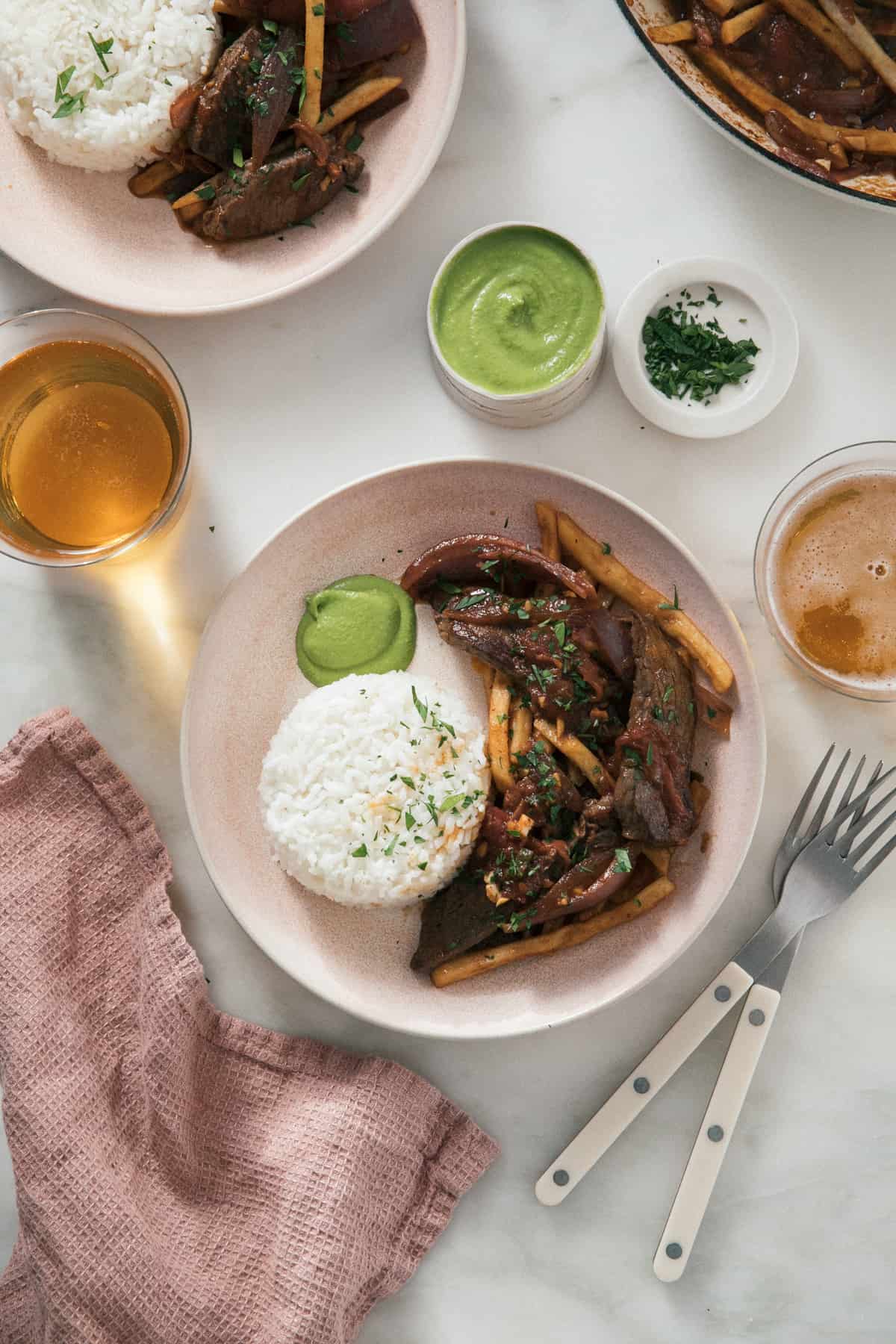
In the vibrant tapestry of global cuisine, few dishes tell a story as rich and compelling as Lomo Saltado. This iconic Peruvian staple, renowned for its irresistible blend of savory flavors and satisfying textures, is more than just a meal; it's a living testament to cultural fusion. At its heart lies a dynamic dialogue between Peruvian ingredients, Spanish influences, and, most prominently, Chinese culinary techniques. If you've ever wondered about the magic behind a dish that can simultaneously be a family favorite and a gourmet delight, prepare to delve into the fascinating origins and the sheer deliciousness of Lomo Saltado.
What truly sets this dish apart is its remarkable simplicity, belying the explosion of flavors it delivers. Picture tender strips of marinated sirloin steak, blistered red onions, and juicy tomatoes, all stir-fried to perfection with a savory soy sauce glaze, then tossed with crispy French fries and served alongside fluffy white rice. It’s a harmonious symphony that never fails to impress diners, from the bustling streets of Lima to international tables. And the best part? Creating an authentic lomo saltado recipe in your own kitchen is far easier than you might imagine.
The Culinary Tapestry: Tracing Lomo Saltado's Global Roots
Lomo Saltado is, in essence, a culinary metaphor for globalization. It's a dish born from the mingling of diverse cultures, where key ingredients and techniques from different corners of the world converge to form something entirely new and uniquely Peruvian. Understanding its heritage isn't just about history; it's about appreciating the depth of flavor embedded in every bite.
Peru's Indigenous Heartbeat
The foundation of Lomo Saltado is undeniably Peruvian. At its core, we find the trusty ají amarillo chili pepper. While many might associate chilies with overwhelming heat, the ají amarillo offers a distinctive fruity flavor and a gentle warmth, contributing a nuanced depth rather than fiery spice. It��s an essential component, infusing the dish with its signature Peruvian character. Another vital, albeit supporting, player is the potato. Peru, the birthplace of the potato, provides the perfect canvas for the thick, crispy French fries that are considered an indispensable element of a classic Lomo Saltado. Made from native Peruvian varieties, these fries offer a textural contrast that elevates the entire experience.
Spain's Enduring Legacy
The Spanish conquistadors, arriving in the 16th century, introduced two pivotal components: cattle and rice. Before their arrival, beef was nonexistent in Peru. Initially, with very few cows, beef was an expensive commodity, reserved largely for the elite. Over time, as cattle farming expanded, beef became more accessible, laying the groundwork for it to become the star protein in dishes like Lomo Saltado. Similarly, rice, also introduced by the Spaniards, took centuries to achieve its widespread popularity. It wasn't until the 20th century that rice became the ubiquitous side dish it is today, perfectly complementing the rich flavors of a stir-fry.
China's Transformative Influence
The most transformative influence on Lomo Saltado hails from China. In the mid-nineteenth century, thousands of Cantonese immigrants arrived in Peru, primarily to work in agriculture. These resilient settlers brought with them not just their culture but also their profound culinary traditions. Soon, the first "chifa" (Chinese-Peruvian) restaurants began to emerge in Lima, introducing the revolutionary concept of stir-frying and, critically, the wok. The high heat and rapid cooking of the wok allowed for the characteristic "saltado" (meaning "stir-fried" or "sautéed") technique that defines the dish.
Beyond the technique, Chinese immigrants also introduced key ingredients that would become indispensable to Lomo Saltado. Soy sauce, a powerful umami enhancer, became a crucial flavoring agent, giving the stir-fry its savory depth. Furthermore, they played a significant role in popularizing rice as a daily staple across Peruvian cuisine, solidifying its place alongside the stir-fried beef. It's easy to imagine a resourceful cook in the early 20th century, combining these newly available ingredients and techniques in a wok, inadvertently creating a culinary superstar that would captivate palates for generations to come.
Crafting the Perfect Lomo Saltado: A Simple Yet Explosive Lomo Saltado Recipe
One of the most appealing aspects of Lomo Saltado is its accessibility. You don't need exotic ingredients or advanced culinary degrees to master it. What you need is fresh produce, good quality beef, and a hot pan (ideally a wok or a large cast-iron skillet). This truly is a dish you can "throw together within minutes," making it perfect for a weeknight meal or an impressive dinner party alike.
Key Elements of an Authentic Lomo Saltado Recipe:
- The Beef: Sirloin steak is traditional, cut into strips. Marination is key here – a quick bath in soy sauce, vinegar, garlic, and a touch of cumin tenderizes the meat and infuses it with flavor.
- The Vegetables: Red onion wedges and ripe tomato segments are stir-fried until slightly softened but still retaining a bite and a beautiful char.
- The Flavor Boosters: Besides soy sauce, a splash of red wine vinegar (or even balsamic) adds a crucial tang. Minced garlic and perhaps a dash of ají amarillo paste provide aromatic complexity without excessive heat.
- The Fries: Crispy, golden French fries, either homemade or good quality frozen ones, are added at the very end to maintain their crunch.
- The Heat: High heat is paramount. This is what gives the beef and vegetables their characteristic smoky char, often referred to as "wok hei" in Chinese cooking – the breath of the wok.
The process is straightforward: sear the marinated beef quickly at high heat, remove, then stir-fry the onions and tomatoes. Reintroduce the beef, deglaze with soy sauce and vinegar, add the ají amarillo, and finally, toss in the hot fries. The result is a medley of textures and tastes: tender beef, crisp-tender vegetables, tangy sauce, and starchy fries. For a detailed guide on preparing this fantastic dish, an Easy Lomo Saltado Recipe: Quick & Delicious Peruvian Beef Stir-Fry can set you on your way to culinary success.
Beyond the Plate: Variations and Serving Suggestions
While the classic beef version is king, the beauty of Lomo Saltado lies in its adaptability. Creative cooks have long explored various interpretations, proving the versatility of the stir-fry concept:
- Pollo Saltado: Substituting beef with chicken strips offers a lighter, equally delicious alternative.
- Mariscos Saltado: Seafood lovers can enjoy versions with shrimp or mixed seafood, bringing a taste of Peru's vast coastline to the dish.
- Vegetarian Options: Tofu or hearty mushrooms can replace the meat, ensuring everyone can enjoy the vibrant flavors.
- Creative Twists: Some variations might incorporate bell peppers, peas, or even a fried egg on top, though these stray from the most traditional preparation.
Traditionally, Lomo Saltado is served piled high with fluffy white rice, which soaks up the savory sauce beautifully. But its versatility extends beyond just a main course. The stir-fry (with or without potatoes) makes for a fantastic filling in a Peruvian sandwich, known as a pan con lomo, creating a hearty and satisfying handheld meal. The broad appeal and endless possibilities are just a few reasons Why Lomo Saltado Is the Flavorful Peruvian Dish Everyone Loves.
Conclusion: A Taste of Global Harmony
Lomo Saltado stands as a magnificent emblem of culinary evolution and cultural exchange. It’s a testament to how different peoples, ingredients, and techniques can merge to create something truly exceptional and universally beloved. From the indigenous Peruvian potato and ají amarillo to Spanish beef and Chinese stir-frying, every component tells a part of a larger, delicious story. Its unique blend of ease, flavor, and rich history makes it a truly special dish, inviting home cooks and food enthusiasts alike to explore a world of taste in every bite. So, whether you're a seasoned chef or a curious beginner, embracing the journey of a lomo saltado recipe promises a rewarding and incredibly flavorful experience that bridges continents and palates.
