Easy Lomo Saltado Recipe: Quick & Delicious Peruvian Beef Stir-Fry
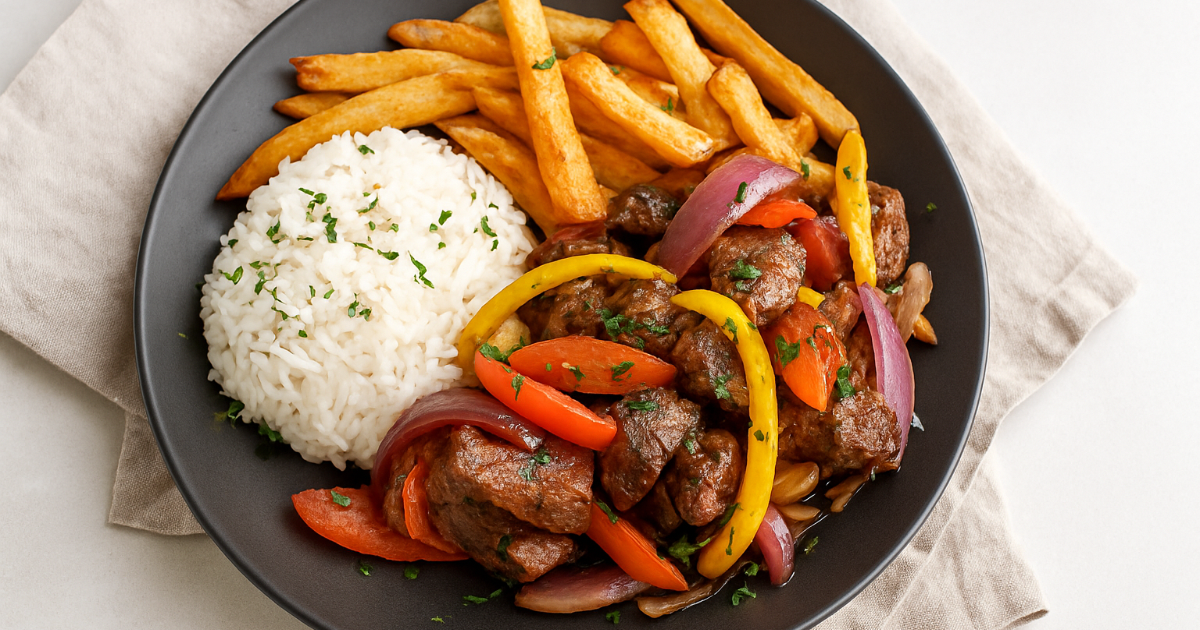
Prepare your taste buds for an unforgettable culinary journey! Peruvian Lomo Saltado is more than just a meal; it’s a vibrant celebration of flavors, textures, and cultural fusion. Imagine tender strips of marinated beef, expertly stir-fried with blistered red onions and juicy tomatoes, all coated in a savory, umami-rich sauce, then mingled with crispy French fries and served alongside fluffy white rice. This iconic dish is not only incredibly delicious but also surprisingly simple to prepare at home, making it the perfect weeknight indulgence or a show-stopping dish for guests. If you've been searching for an easy lomo saltado recipe that delivers authentic taste without requiring exotic ingredients or complex techniques, you’ve found it. Get ready to create a flavor explosion that will have everyone asking for more!What Makes Lomo Saltado a Culinary Masterpiece?
At its heart, Lomo Saltado is a Peruvian beef stir-fry that perfectly embodies the country's rich culinary heritage. It’s a testament to the "melting pot" nature of Peruvian cuisine, blending indigenous ingredients with influences from Spanish and Chinese cultures. The dish typically features thinly sliced sirloin steak (or another tender cut) marinated and quickly stir-fried in a searing-hot wok or pan. The key components that define this beloved dish include:- Tender Beef: Marinated and seared quickly to retain tenderness and develop a delicious crust.
- Vibrant Vegetables: Red onions and tomatoes are essential, providing sweetness, tang, and a pop of color.
- Flavorful Sauce: A distinctive blend of soy sauce, red wine vinegar, and often a touch of ají amarillo paste creates a savory, slightly tangy, and deeply umami profile.
- Crispy French Fries: An unconventional yet brilliant addition, the fries soak up the rich sauce while adding a delightful textural contrast.
- Fluffy White Rice: The traditional accompaniment, perfect for absorbing every drop of the delicious stir-fry sauce.
The Fascinating Fusion: A Culinary Journey Through Lomo Saltado's Origins
Lomo Saltado is more than just a dish; it's a historical narrative served on a plate. Its unique blend of ingredients from different corners of the world perfectly illustrates how diverse cultures have shaped Peru's renowned gastronomy. This blending didn't just create a new dish; it forged a distinct culinary identity. To truly appreciate this Peruvian classic, let's explore its fascinating global roots. If you're intrigued by how global influences transform into unique local flavors, you'll love learning about Lomo Saltado's Global Roots: A Peruvian-Chinese Culinary Blend.Peru's Indigenous Contributions
Peru itself laid the groundwork for Lomo Saltado. The ever-present **potato**, native to the Andes, forms the basis for the thick, crispy French fries that are an essential, if supporting, element of the dish. Also crucial is the **ají amarillo** chili pepper. While often associated with heat, ají amarillo is primarily prized for its unique fruity, aromatic flavor rather than intense spice. It's a foundational ingredient in many Peruvian dishes, lending a vibrant color and distinctive taste profile to the stir-fry.Spanish Influence: Beef and Rice
The Spanish conquistadors, arriving in the 16th century, introduced cows and, subsequently, **beef** to Peru. Initially a luxury reserved for the elite due to its scarcity, beef eventually became more accessible, paving the way for dishes like Lomo Saltado. The Spanish are also credited with bringing **rice** to Peru. While rice didn't achieve its widespread popularity until the 20th century, its introduction was a significant step towards its current ubiquitous role as a staple accompaniment in Peruvian cuisine.The Pivotal Chinese Connection: Stir-Frying and Soy Sauce
The most transformative influence on Lomo Saltado came from China. In the mid-19th century, thousands of Cantonese immigrants arrived in Peru to work, particularly in agriculture. These Chinese settlers brought with them their culinary traditions, profoundly impacting Peruvian food. They introduced the **wok** and the dynamic technique of **stir-frying** – a method perfectly suited for quickly cooking tender strips of meat and vegetables over high heat. Equally important was the introduction of **soy sauce**, which quickly became a key flavor enhancer, adding depth and umami to the evolving dish. The Chinese also played a significant role in popularizing the widespread consumption of rice, transforming it from a less common grain to the indispensable side dish it is today. It's clear that at some point in the early 20th century, a brilliant cook, drawing upon these diverse elements, created a culinary superstar. The fusion of Peruvian ingredients, Spanish staples, and Chinese techniques and flavors gave birth to Lomo Saltado, a dish that truly embodies the spirit of cultural integration.Crafting Your Easy Lomo Saltado Recipe: Step-by-Step
Ready to bring this Peruvian classic to your kitchen? This lomo saltado recipe is designed for ease and maximum flavor.Ingredients:
- 1.5 lbs sirloin steak (or tenderloin, flank steak), thinly sliced against the grain into 1/2-inch strips
- 1 large red onion, cut into thick wedges
- 2 large Roma tomatoes, cut into thick wedges
- 1-2 tablespoons ají amarillo paste (optional but highly recommended for authentic flavor)
- 1/4 cup soy sauce (low-sodium preferred)
- 2 tablespoons red wine vinegar
- 3 cloves garlic, minced
- 1 teaspoon ground cumin
- Salt and freshly ground black pepper to taste
- 1/4 cup vegetable oil (or canola oil), divided
- 1 large bag (about 20 oz) frozen French fries, or 2 large potatoes cut into thick fries
- Fresh cilantro, chopped, for garnish
- Cooked white rice, for serving
Preparation:
- Prepare the Beef: In a medium bowl, combine the sliced beef with 1 tablespoon of soy sauce, 1 tablespoon of red wine vinegar, minced garlic, cumin, and a pinch of salt and pepper. Toss to coat evenly. Marinate for at least 15 minutes at room temperature, or up to 30 minutes.
- Cook the Fries: If using frozen fries, cook according to package directions until golden brown and crispy. If making from scratch, peel and cut potatoes into thick, uniform sticks. Fry in hot oil (350°F / 175°C) until golden and crispy. Drain well on paper towels and season with salt. Set aside.
- Prepare Vegetables: While the fries cook, cut your red onion and tomatoes into thick wedges. This helps them hold up during the high-heat stir-fry.
- Assemble the Sauce Base: In a small bowl, whisk together the remaining 3 tablespoons of soy sauce, 1 tablespoon of red wine vinegar, and the ají amarillo paste (if using). Set aside.
The Stir-Fry:
- Heat the Wok/Pan: Heat 2 tablespoons of vegetable oil in a large wok or a heavy-bottomed skillet over *very high heat* until shimmering, almost smoking. This high heat is crucial for a proper stir-fry.
- Sear the Beef: Add the marinated beef in a single layer (cook in batches if necessary to avoid crowding the pan). Sear for 1-2 minutes per side until beautifully browned and caramelized. Do not overcook; the goal is tender, not tough, beef. Remove the beef from the pan and set aside.
- Stir-Fry Vegetables: Add the remaining 1 tablespoon of oil to the same pan (if needed). Add the red onion wedges and stir-fry for 1-2 minutes until they start to soften slightly and get a bit charred.
- Add Tomatoes & Sauce: Add the tomato wedges and stir-fry for another minute until they just begin to soften but still retain their shape. Pour in the prepared sauce mixture and bring it to a quick simmer, scraping up any browned bits from the bottom of the pan.
- Combine & Serve: Return the seared beef to the pan. Add the cooked French fries and gently toss everything together for about 30 seconds, allowing the fries to soak up some of the delicious sauce. Taste and adjust seasoning if necessary.
Tips for Lomo Saltado Perfection
To elevate your lomo saltado recipe from great to extraordinary, consider these expert tips:- High Heat is Key: Don't skimp on the heat! A very hot wok or pan ensures the beef sears quickly, locking in juices, and the vegetables achieve that desirable "blistered" texture without becoming soggy.
- Don't Crowd the Pan: Cooking the beef in batches prevents the temperature from dropping, which can steam the meat instead of searing it. This ensures a beautiful crust and tender interior.
- The Magic of Ají Amarillo: While optional, ají amarillo paste is highly recommended. It offers a unique fruity, slightly earthy flavor that is fundamental to authentic Peruvian cuisine, subtly enhancing the dish without adding excessive heat. You can often find it in Latin American markets or online. If unavailable, you can omit it, but the flavor profile will be slightly different.
- Crispy Fries are Non-Negotiable: Whether homemade or frozen, ensure your French fries are extra crispy before adding them to the stir-fry. They provide a vital textural contrast and the perfect vehicle for soaking up the savory sauce.
- Quality Beef Matters: Sirloin is traditional, but tenderloin or flank steak (sliced against the grain) also work wonderfully. A good quality cut will make a noticeable difference in the final tenderness.
- Fresh Cilantro Finish: Don't underestimate the power of fresh cilantro. It adds a bright, herbaceous note that cuts through the richness of the dish, providing a refreshing counterpoint.
Lomo Saltado's adaptability is part of its charm. While the classic ingredients are perfect, don't hesitate to explore variations! Some people enjoy adding bell peppers or green onions to the stir-fry. You can even use this delicious beef and sauce mixture as a filling for a Peruvian-style sandwich. If you're wondering why this dish, with its unique blend of ingredients, has captured hearts worldwide, delve into Why Lomo Saltado Is the Flavorful Peruvian Dish Everyone Loves.
